

Secure digital payments for Saudi businesses require more than encryption or a payment button. A sound B2B process verifies the regulated entities handling money, defines exactly when funds are held and released, limits data access through consent, reconciles every movement, and provides an evidence-based path for exceptions, refunds, complaints, and disputes.
Important: This article offers a general operational framework, not legal, banking, or financial advice. The Saudi Central Bank (SAMA) regulations and the terms issued by the licensed bank or payment service provider govern the actual service. Confirm the current regulatory status and contractual structure before moving customer funds.
Why are B2B payments different from ordinary checkout payments?
A retail checkout usually settles a known price for an immediately supplied item. A business transaction can include a quotation, order, contract, tax invoice, staged delivery, inspection, retention, credit note, or disputed specification. Security must cover that workflow as well as the transfer.
The central problem is timing. A buyer wants delivery evidence before losing control of the money; a supplier may need assurance before committing capacity. Paying in advance concentrates risk on the buyer, while delivering before payment concentrates it on the supplier. A controlled workflow cannot remove this risk, but it can make evidence, approvals, and escalation visible.
What does “secure payment” actually need to cover?
Security should be tested across several layers rather than reduced to one feature.
| Control layer | Question the business should answer | Evidence to request |
|---|---|---|
| Regulatory status | Which licensed entity provides the regulated payment service? | Current SAMA register entry and contractual entity name |
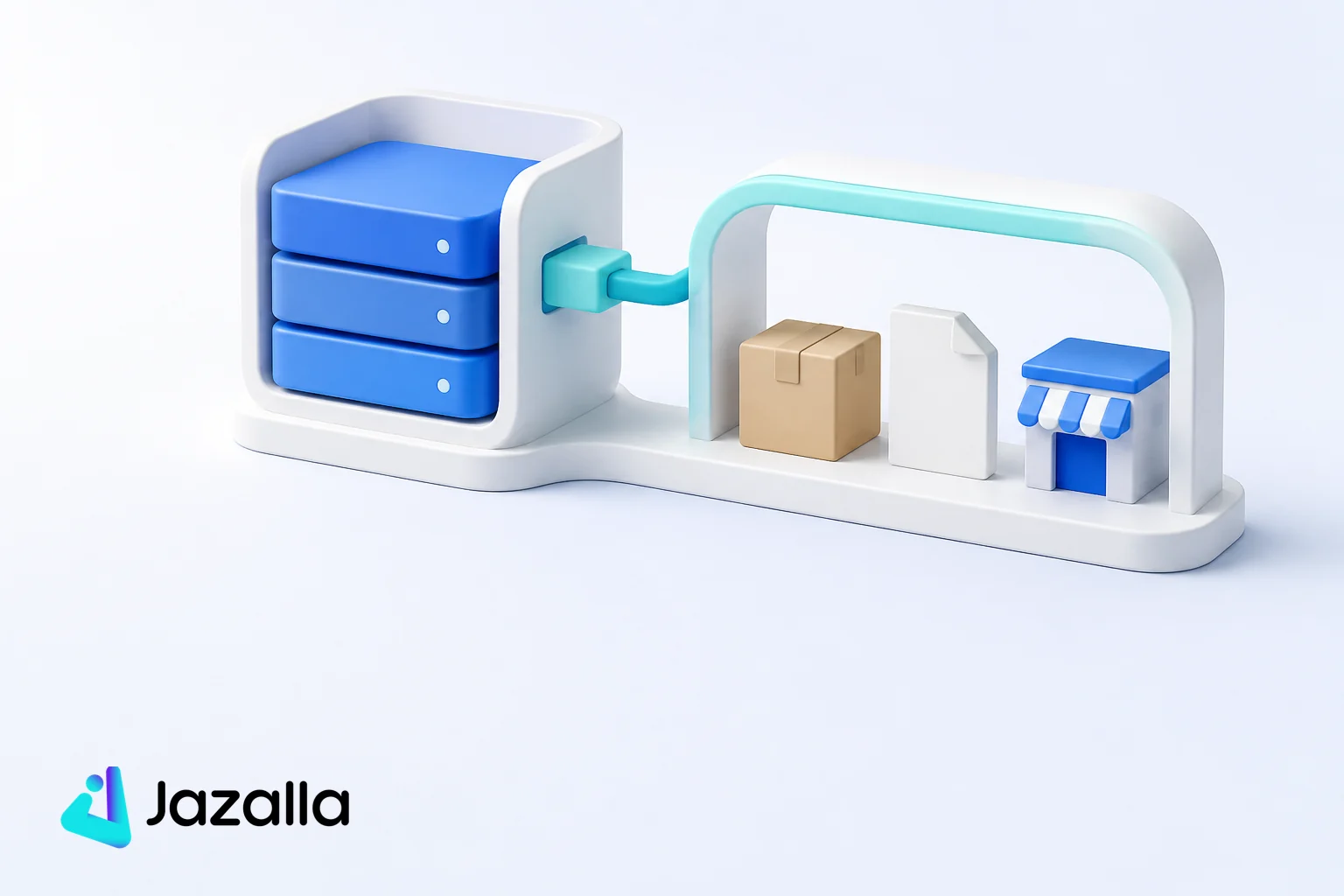
| Fund flow | Who receives, holds, safeguards, and transfers the money? | Fund-flow diagram, account structure, and bank or provider terms |
| Authorization | Who may create, approve, amend, or cancel a payment? | Role matrix, approval thresholds, and authentication controls |
| Release | What objective event permits full or partial release? | Acceptance criteria, timestamps, and authorized confirmation |
| Exceptions | What happens after rejection, delay, return, or partial delivery? | Refund, cancellation, expiry, and dispute procedures |
| Data | What account data is accessed, for which purpose, and for how long? | Consent screen, privacy terms, retention policy, and revocation path |
| Records | Can every decision be reconstructed later? | Immutable event history, transaction references, invoices, and audit logs |
These controls also clarify vendor responsibilities. A software platform may orchestrate the workflow while a licensed bank or payment service provider performs the regulated activity. The contract should identify each party instead of allowing a broad phrase such as “secure escrow” to obscure who is legally responsible for the funds.
How does Saudi open banking fit into the payment process?
Open banking enables customers to share financial data securely with third-party providers and supports regulated account-information and payment-initiation services. SAMA’s Open Banking Framework covers business, customer-experience, API, implementation, and operational requirements.
Account information can support balance visibility, transaction retrieval, verification, and reconciliation. Payment initiation can support an authorized transfer instruction. Both depend on the relevant participants, standards, permissions, and consent.
Open banking is not the same as payment protection. Accessing account information does not prove that goods were accepted, and initiating a payment does not create a conditional holding arrangement. A company should separate three questions:
- Data access: Which accounts and transaction fields can the service read?
- Payment instruction: Can the service initiate a transfer, and who authorizes it?
- Fund safeguarding: Is money held before settlement, by whom, and under what rules?
SAMA’s implementing regulations address secure client-data storage, sharing, and transmission. They require consent for account-information services and limit use to the requested purpose. A legitimate connection should not ask users to disclose banking credentials to an unrelated platform.
What should a business verify when funds are held?
“Escrow” is often used loosely. Confirm the licensed entity, the actual arrangement, and how the agreement treats the money.
SAMA’s rules require payment service providers to safeguard relevant funds immediately upon receipt. Continued holding involves separation through a licensed-bank account or another SAMA-accepted method, with controls and documented reconciliation.
Before using a hold-and-release service, ask for clear answers to the following:
- What is the legal name and licence category of the regulated provider?
- Is the buyer paying the seller, the platform, a payment service provider, or a safeguarded account?
- Are client funds separated from the provider’s operating money?
- Who bears fees, tax, or foreign-exchange differences, and what happens after insolvency, freezing, or termination?
- Which document controls if the platform screen and provider agreement conflict?
The SAMA register is a starting point. Confirm that the service is within the permitted activity and that the contracting entity matches the party receiving or controlling funds.
How should release conditions be designed?
A release condition must be measurable by someone outside the original conversation. “Release when the buyer is satisfied” is too vague; connect payment to defined evidence.
1. Link every release to the commercial record
Reference the order, contract, invoice, delivery evidence, and transaction ID. Keep versions visible so an amended scope cannot trigger an old rule.
2. Define acceptance before work starts
State quantity, quality, inspection, approver, and review time. For services, use named deliverables instead of a general completion percentage.
3. Support partial outcomes
Define partial delivery, retention, damage, credit notes, and undisputed amounts. The system should allow a valid line item to settle without releasing everything.
4. Control automatic events
If silence means acceptance, display the rule, warn before expiry, and define pauses, holidays, and extensions.
5. Preserve human escalation
Automation should route ambiguous exceptions for review. Record both parties’ evidence and prevent one user from changing a condition and approving its release.
What should happen when a payment is disputed?
The agreement should define the complaint channel, evidence, response times, interim treatment of funds, escalation, and competent forum. It should distinguish payment errors and unauthorized transactions from commercial disagreements about quality or performance.
SAMA’s regulations require fair, prompt complaint handling, tracking, records, and escalation. Article 129 sets 48 hours for acknowledgment and generally ten calendar days for a full reply, with a controlled extension in specified cases. These timings concern the regulated provider’s process; do not copy them into a supply contract without checking applicability.
A business workflow should preserve:
- the original order, acceptance criteria, and approved amendments;
- timestamps for payment, delivery, inspection, rejection, and notices;
- user identities and authority at each approval;
- bank and provider references, not only internal status labels;
- supporting files in their submitted form; and
- the decision, reason, amount released or refunded, and escalation history.
How do reconciliation and fraud controls work together?
Reconciliation confirms that commercial, platform, provider, bank, and accounting records describe the same transaction. Frequent matching keeps exceptions easier to investigate.
Use a unique reference from purchase order through invoice and bank entry. Match amount, currency, counterparty, date, fees, tax, and status. Route unreconciled, duplicated, reversed, or split transactions to an exception queue with an owner and deadline.
Fraud controls add separation of duties, approval thresholds, strong authentication, verified beneficiary changes, callbacks for sensitive amendments, anomaly alerts, and limited administrative access. Never approve a bank-account change from the requesting email thread alone.
Where can an integrated business platform fit?
Jazalla describes payment protection, bank synchronization, and accounting workflows that connect commercial records with payment status. A company evaluating this fit should inspect the payment-protection workflow, bank-synchronization workflow, and receivables and payables tools against its own transaction scenarios.
Before relying on Jazalla or any orchestration platform, request the regulated partner’s identity, the exact fund-flow and safeguarding model, consent boundaries, release and refund rules, dispute ownership, service availability, and a live demonstration using normal and exceptional cases. The platform interface does not replace the underlying provider contract.
What should be tested before launch?
Run a limited pilot with low-risk transactions and test more than the happy path:
- Authorized payment and full delivery.
- Partial delivery and partial release.
- Buyer rejection with evidence.
- Supplier disagreement and escalation.
- Duplicate invoice or duplicate payment attempt.
- Cancellation before and after funds are received.
- Refund, credit note, and fee reconciliation.
- Expired consent and revoked open-banking access.
- Bank or API outage and delayed status update.
- Unauthorized account-change attempt.
Agree ownership for each exception, measure resolution time, and reconcile the pilot independently before increasing value or volume.
Frequently asked questions
Is open banking the same as escrow or payment protection?
No. Open banking enables consent-based account information or payment initiation. Payment protection concerns how funds are received, safeguarded, and released. A platform may connect both, but the legal roles remain distinct.
How can I check whether a payment provider is licensed in Saudi Arabia?
Check SAMA’s licensed-provider list, then match the legal name and licence type to the contract and service. Ask who any bank, agent, or technology partner is.
Does safeguarded money mean the transaction cannot fail?
No. Safeguarding addresses client funds; it does not guarantee quality, delivery, acceptance, system availability, or a dispute outcome. Those risks need separate controls.
Who should approve a payment release?
Use a role named in the approval matrix, with thresholds and separated duties. The order creator should not be able to change a release condition and approve payment alone.
What records should be retained?
Retain the contract, order, invoice, acceptance evidence, approvals, provider and bank references, consent history, complaints, decisions, refunds, and reconciliation records for the periods required by applicable law, tax rules, contractual obligations, and internal policy.
Conclusion
Secure B2B payment design balances money, data, authority, and evidence. Verify the regulated provider, map the full fund flow, define objective release conditions, plan for partial outcomes and disputes, and reconcile each transaction across commercial and financial records. Technology can make these controls easier to execute, but it cannot replace sound contracts, clear accountability, and regulatory due diligence.
Official sources
- SAMA Open Banking: framework and lab
- SAMA Rulebook: Implementing Regulations of the Payments and Payment Services Law
- SAMA Rulebook: safeguarding safeguarded funds
- SAMA Rulebook: Article 129 on complaint handling
- SAMA: licensed payment service providers
Sources and regulatory status reviewed on 4 August 2026.